
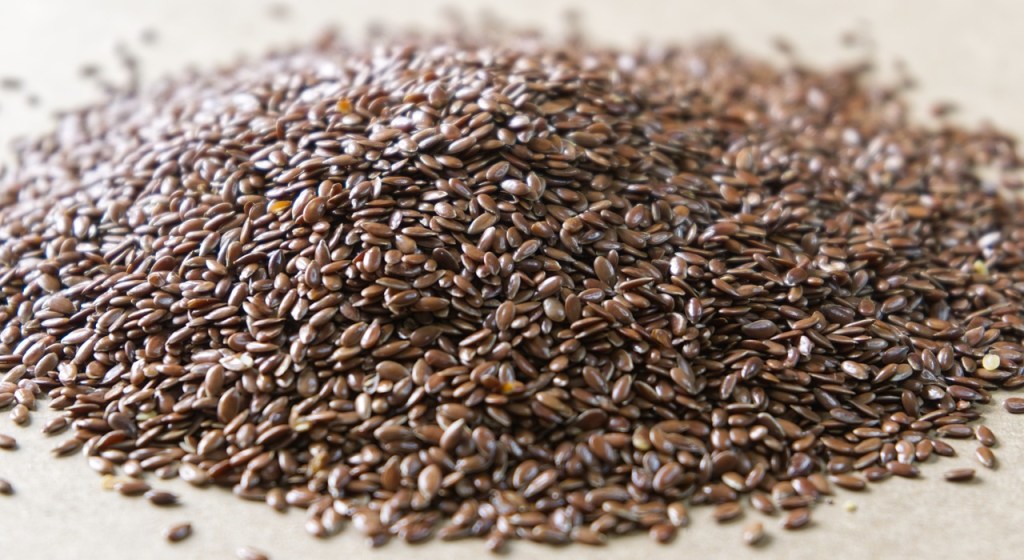
Omega-3 fatty acids are a family of fats the body uses in normal physiology. The three most commonly discussed are ALA, EPA and DHA. Flax is a plant source of ALA, while fatty fish and some marine foods provide EPA and DHA directly.
The body can convert some ALA into EPA and DHA, but that conversion is limited. So plant omega-3 sources are useful, but they are not nutritionally identical to fish or algae-based sources of EPA and DHA.
Easy Homemade Flax Milk
Ingredients:
1/4 cup flaxseeds
4 cups water
1–2 dates, optional
1 teaspoon vanilla extract, optional
A pinch of salt
Instructions:
1. Blend the flaxseeds and water for about 2–3 minutes.
2. Strain if you prefer a smoother texture.
3. Add dates, vanilla and salt if using, then blend again.
4. Refrigerate and use promptly.
Homemade flax milk can be an easy way to use flax in smoothies or cereal, but the exact nutrient content depends on how much seed material remains after blending and straining. Ground or whole flaxseed provides a more predictable way to consume flax itself.
The useful question is not whether one source is “better” in every situation. It is what kind of omega-3 the food provides, what the rest of the diet looks like, and what someone is actually trying to support.
Next Useful Move
If you want a practical way to use the flax milk instead of leaving the idea on the page, the smoothie recipe is the obvious next stop.
Source: NIH Office of Dietary Supplements — Omega-3 Fatty Acids
General nutrition education only. Individual dietary needs vary.

 Lisa Proctor
One response to “Omega-3s and Flax: What Plant Sources Actually Provide”
[…] and satisfying way to boost your energy and support your overall health. If you missed my previous post on making homemade flax milk, be sure to check it out for a step-by-step […]
LikeLike